Education

ENSOFT Math

Video lessons from ENSOFT on mathematical thinking: how vague, intuitive ideas become precise, actionable concepts.

Episode 1 · Quantifying Connectedness

Which node in a graph is more connected, and by how much? Putting a number on that intuition leads to the idea behind Google’s PageRank.

Next Episode 2 · Matrix Algebra

Where the Series Is Going

Linear Algebra

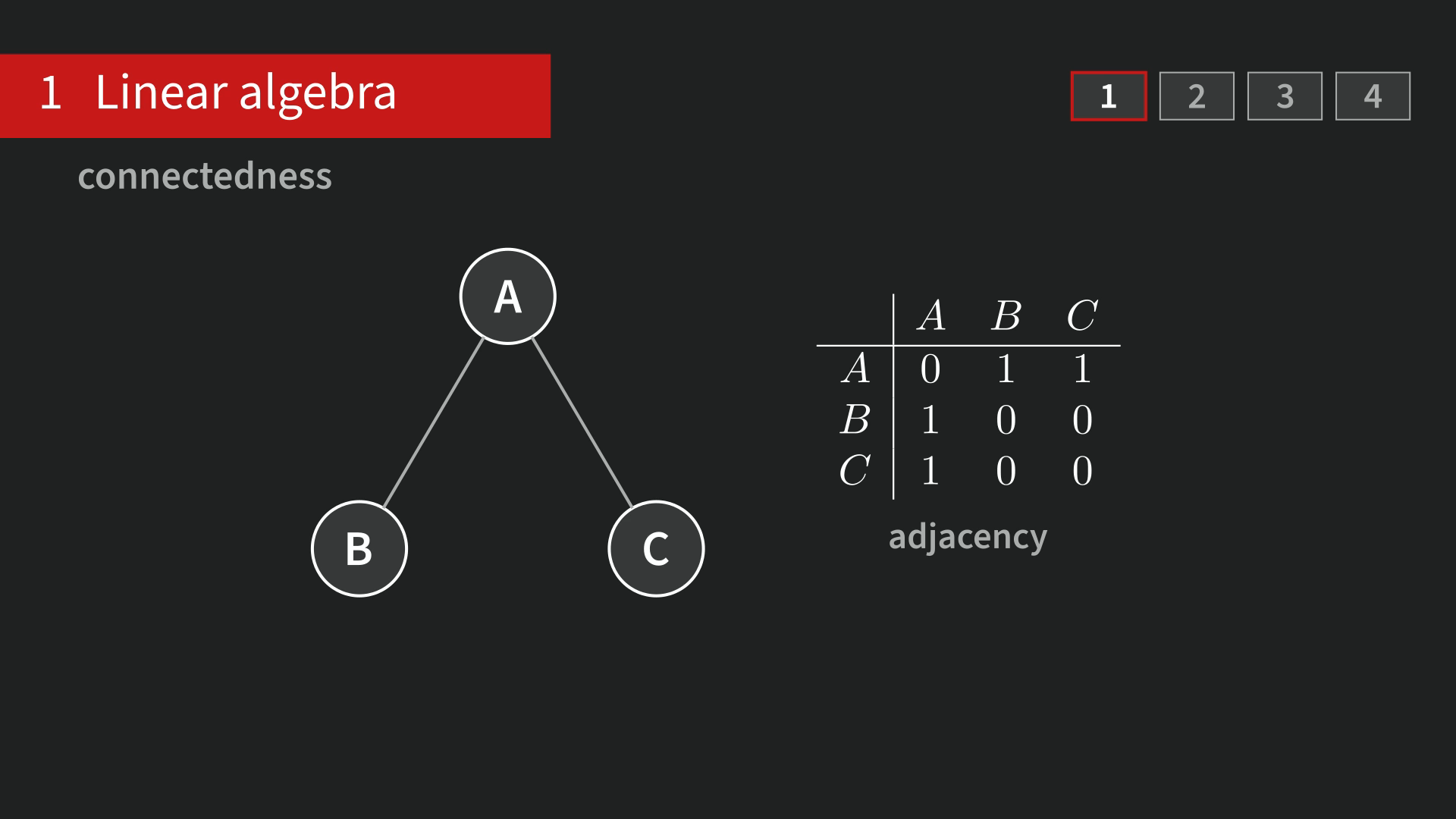
From episode 1: node A joined to B and C, beside the graph’s adjacency table, under the label 1 Linear algebra.

Linear algebra made simple enough for a high school student to understand and apply. It turns amorphous ideas into clear, precise quantities, and gives the computational methods for working with them.

Newton’s Calculus

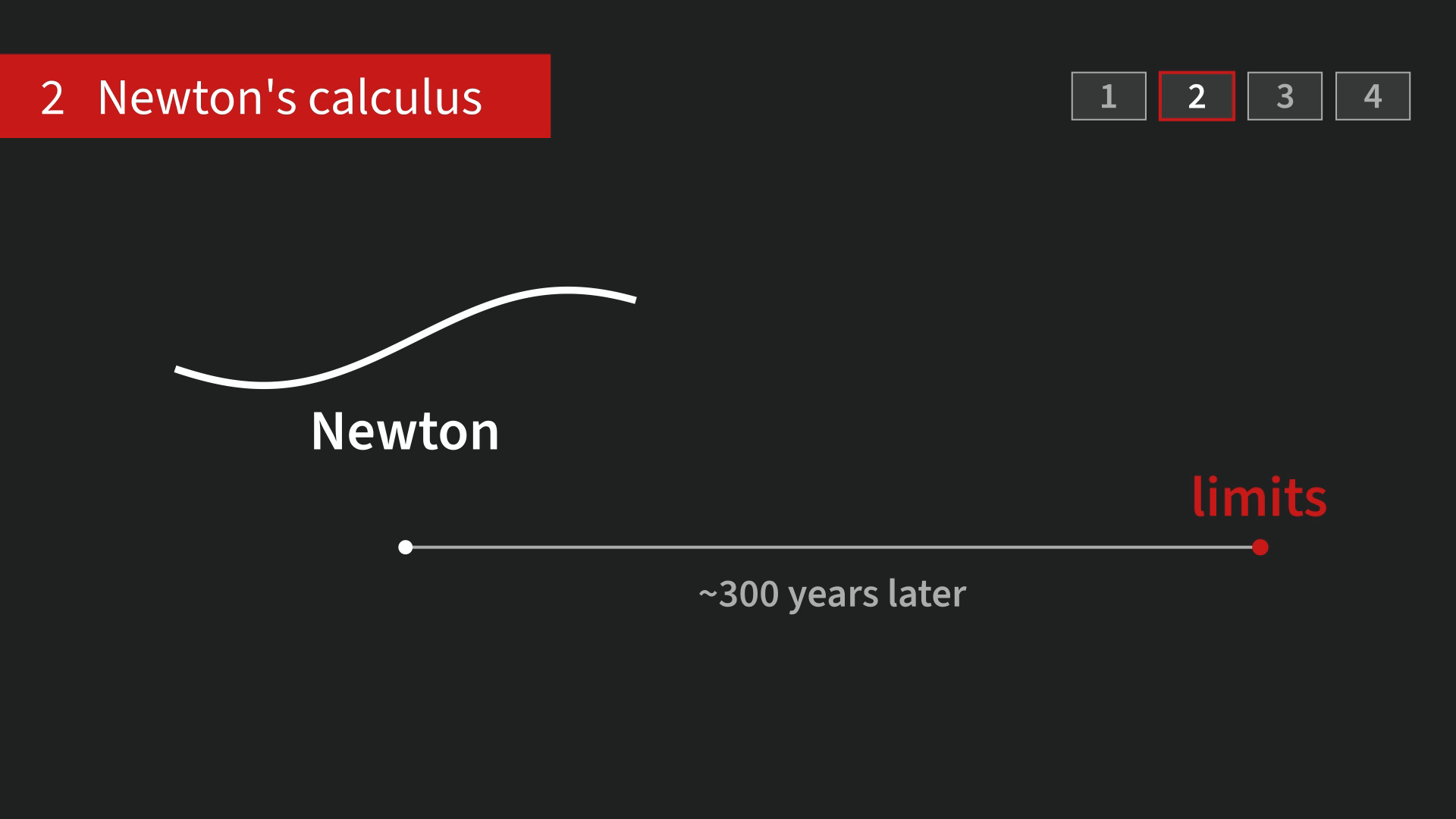
From episode 1: a curve labeled Newton, and a timeline that reaches limits about 300 years later.

Calculus the way Newton did it: high school algebra powered by infinity, the idea John Wallis brought into algebra. Newton’s calculus was about computing, and modern computing methods such as neural networks are variations of it.

Algebra for Graph Problems

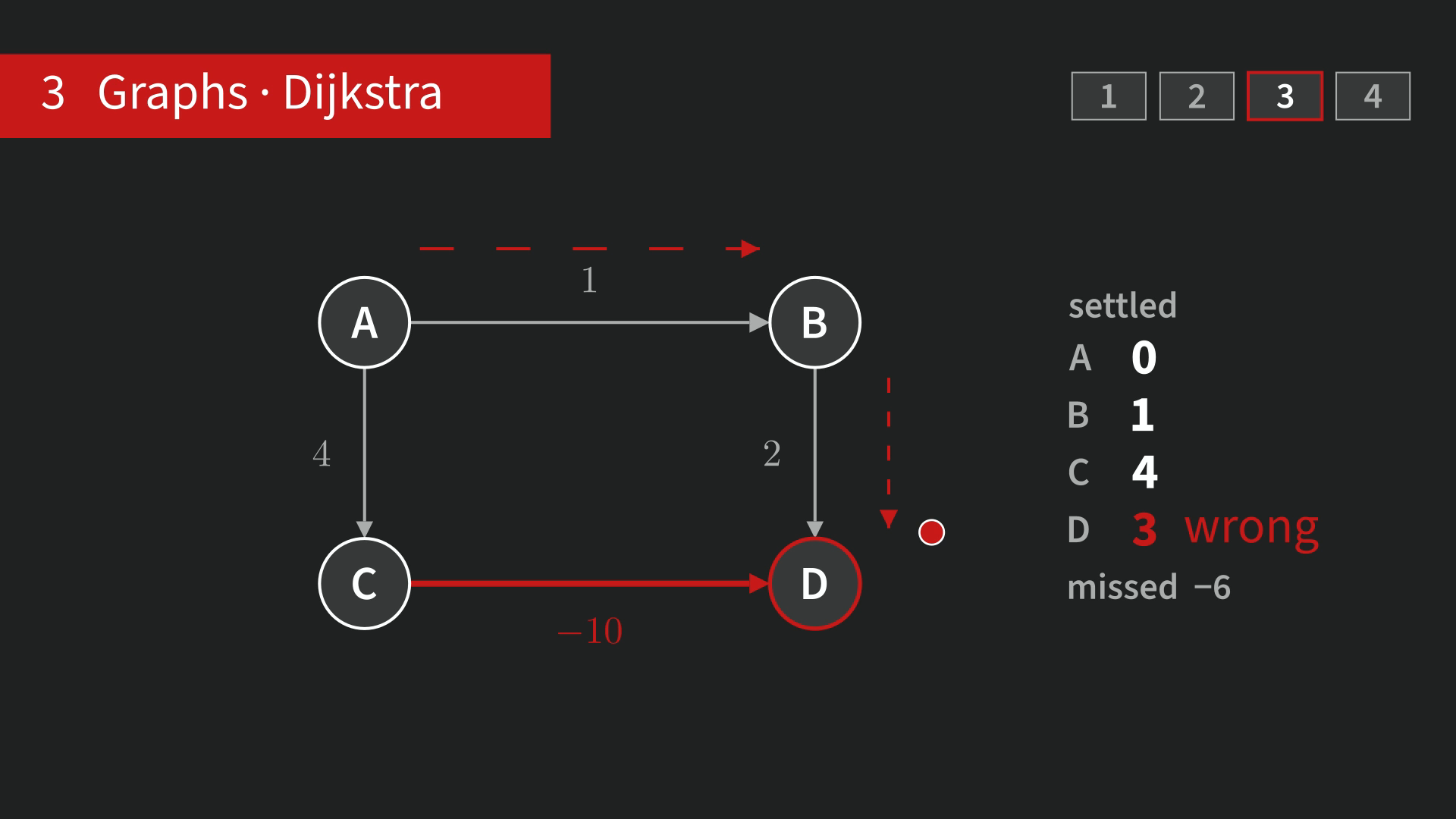
From episode 1: Dijkstra’s algorithm settles node D at 3 and misses the path through C, which costs −6.

Graph algorithms are usually taught by walking the graph. Algebra solves graph problems without walking it, which matters when an application graph has more paths than all the computing power on Earth could process one by one.

Claude Shannon’s Information Theory

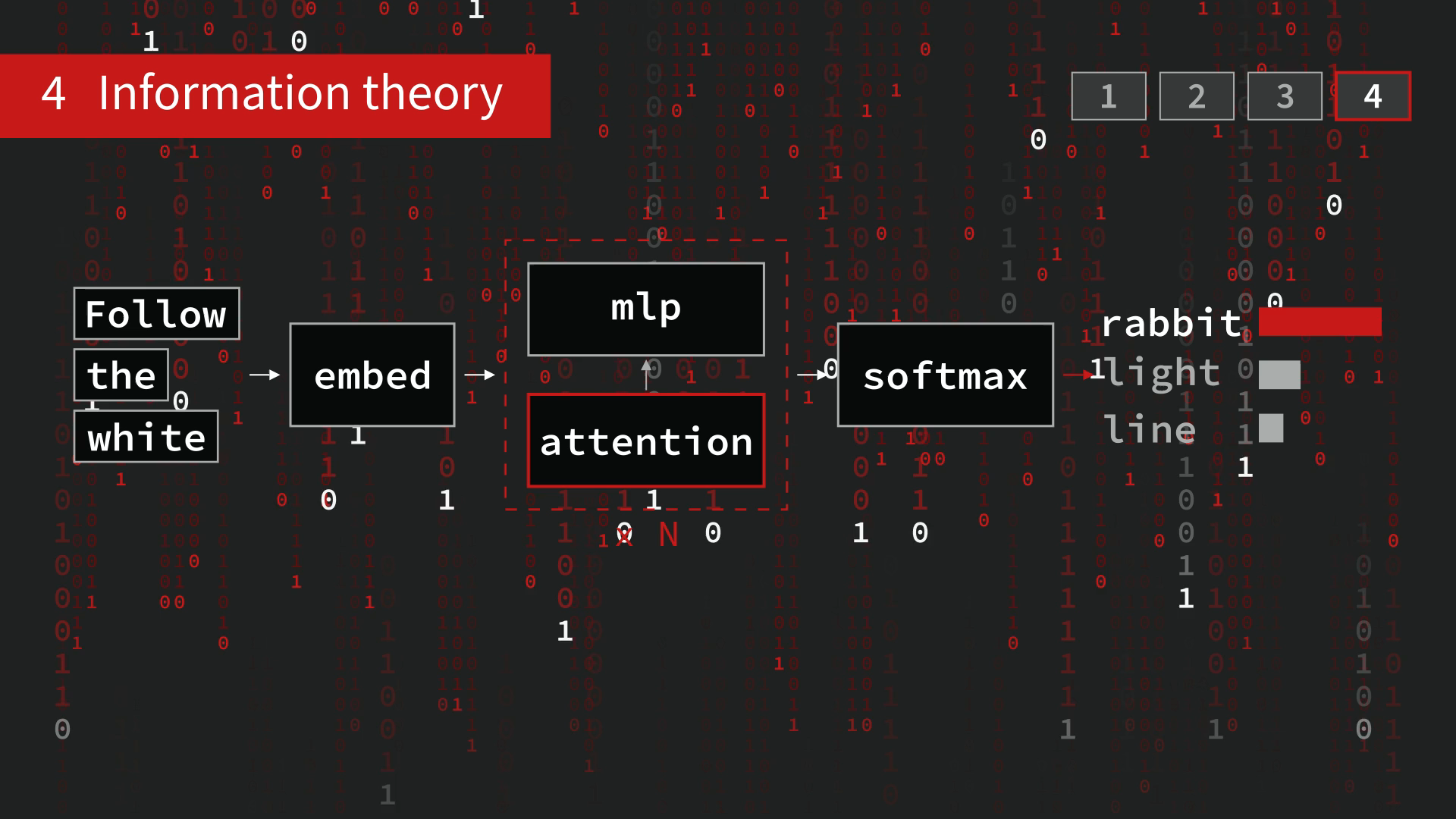
From episode 1: the words Follow the white pass through embed, attention, mlp, and softmax blocks to scored next words, over a rain of bits.

Shannon made information a quantity you can measure, the hard science behind digital communication. The series uses it to look at large language models as information processing systems.